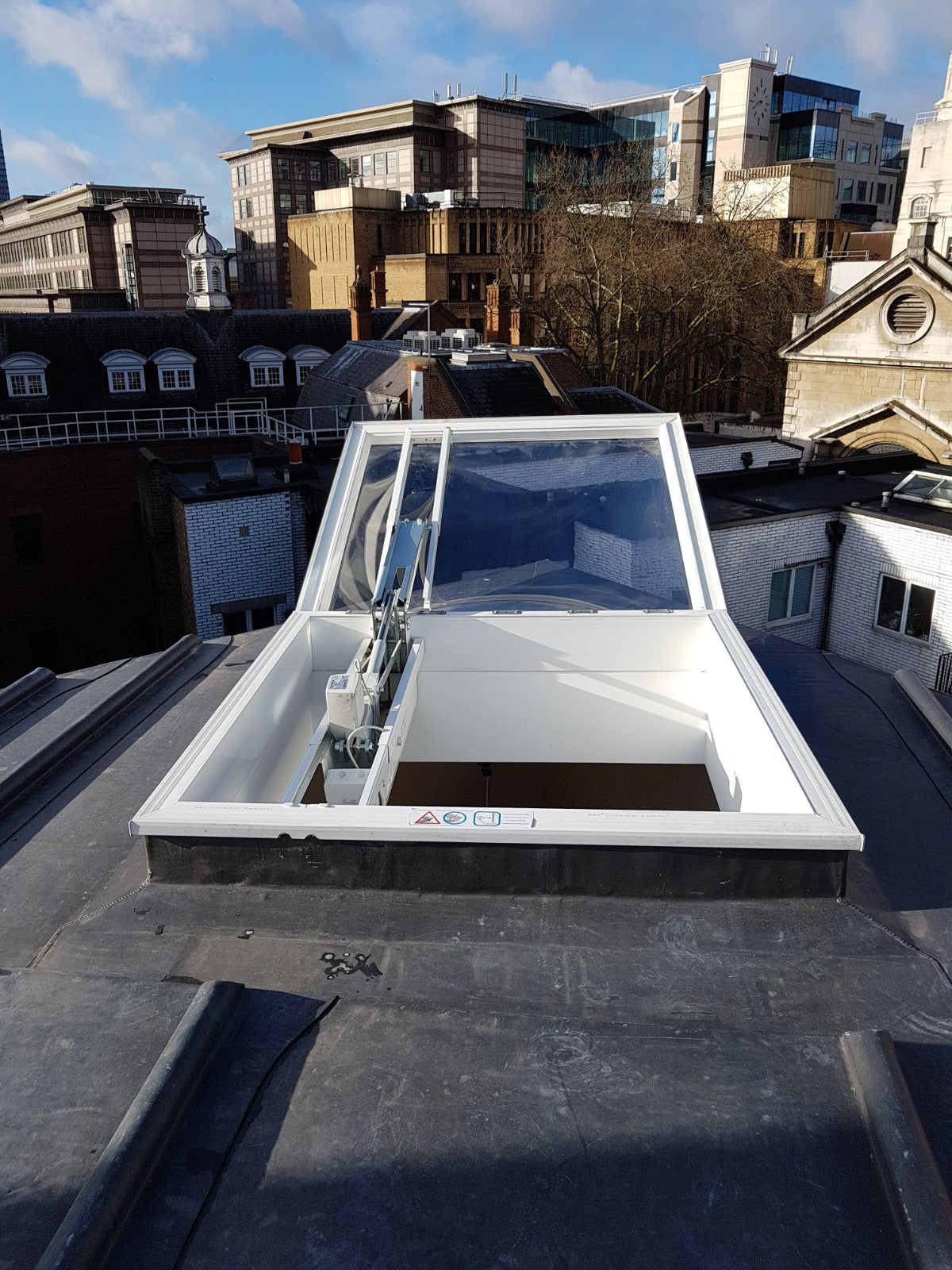
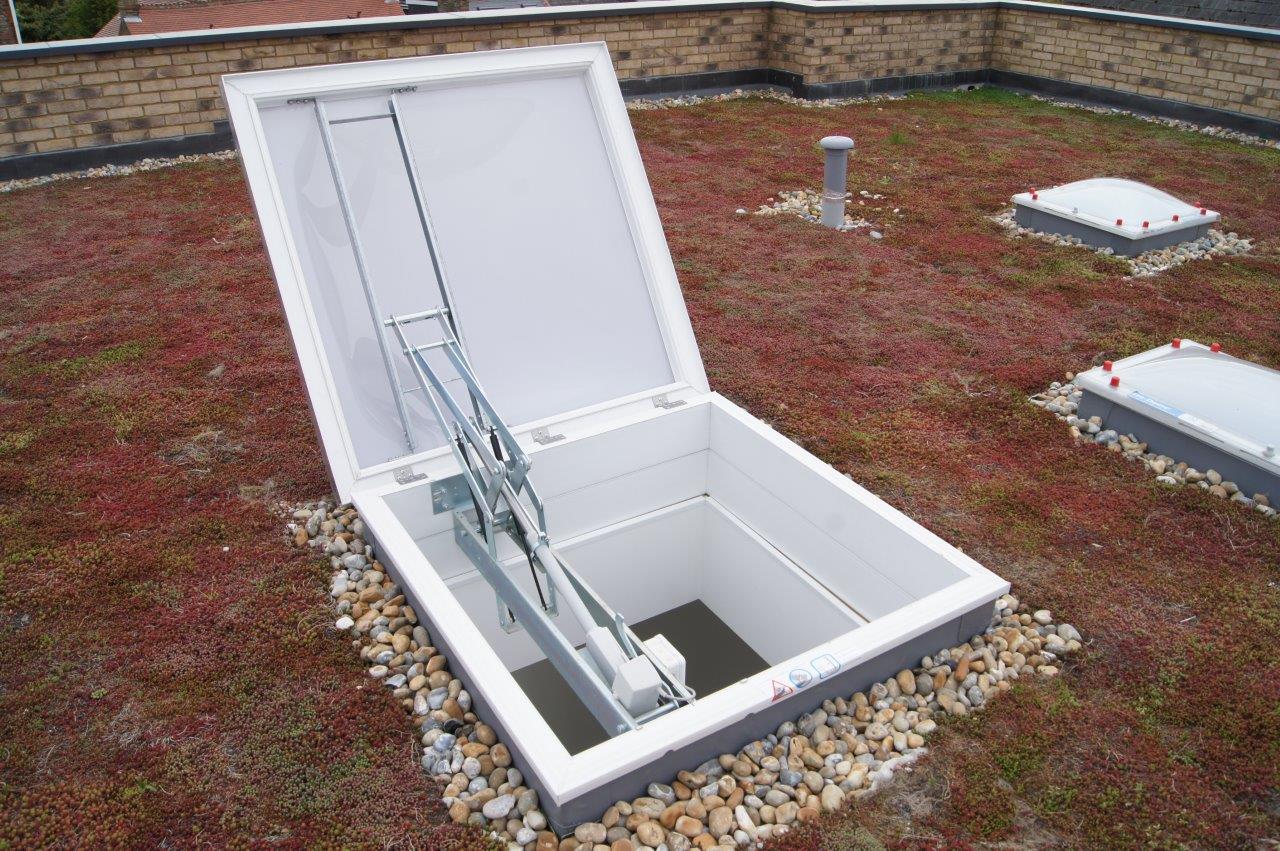
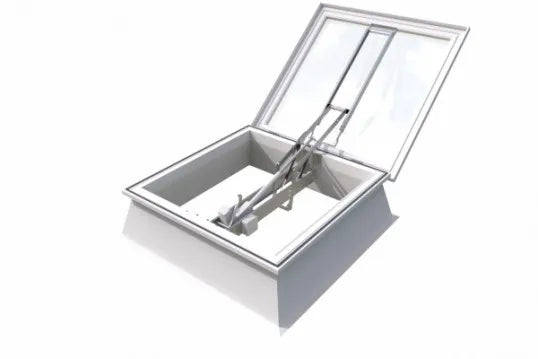
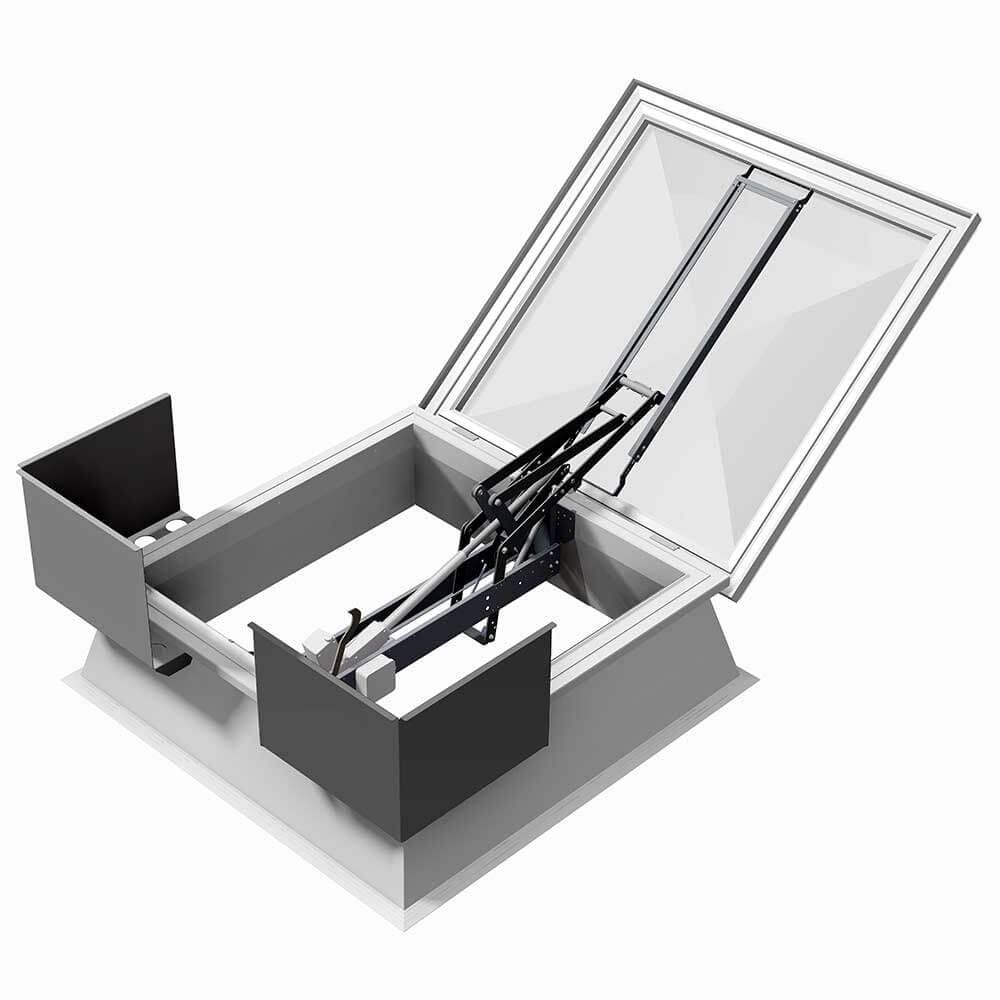
Smoke Vents for Stairwells

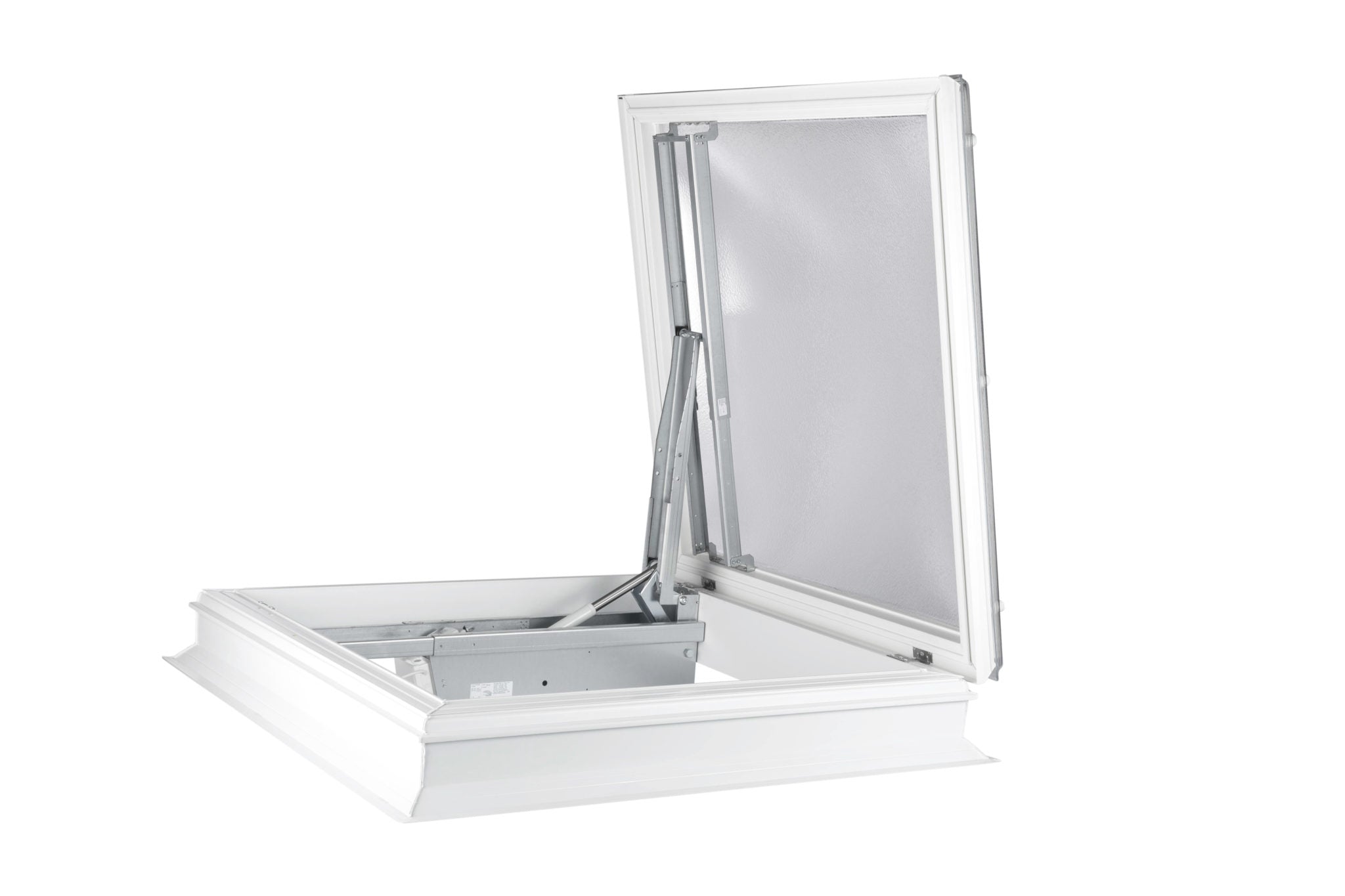
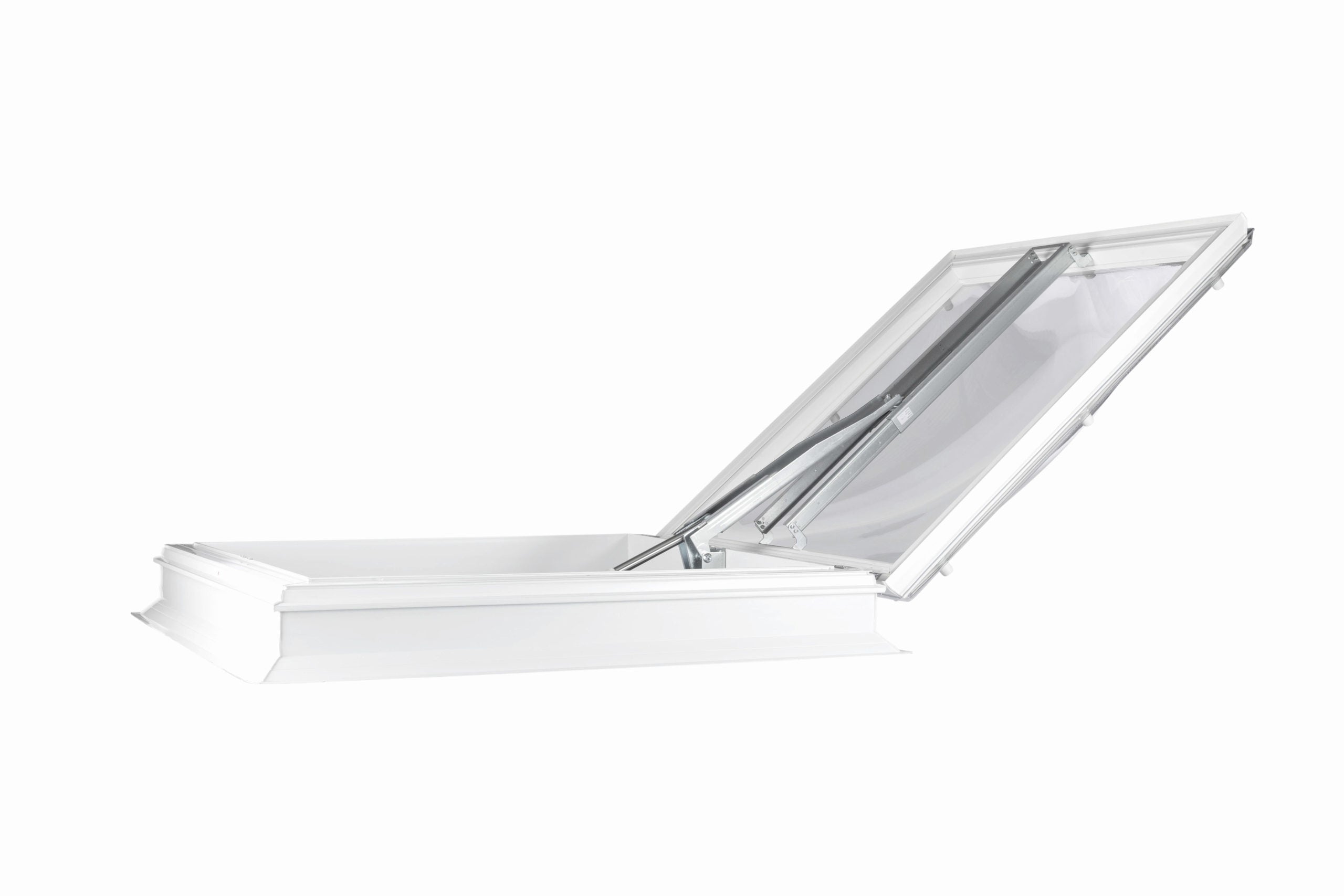
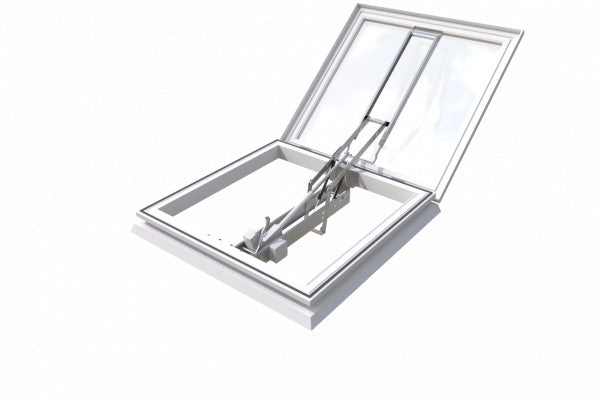
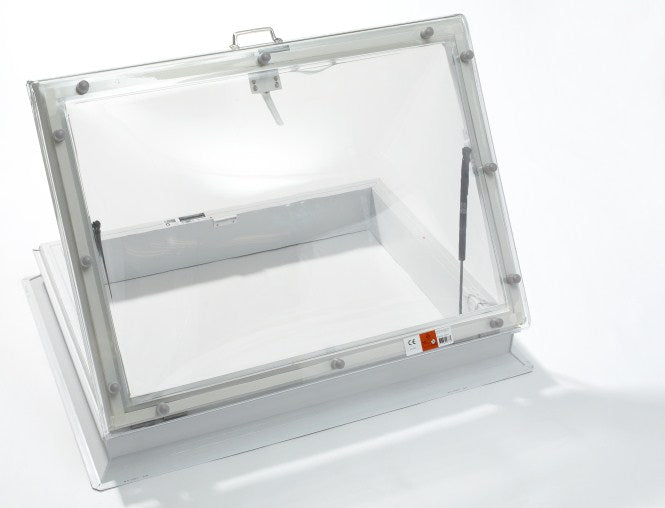
Looking for a safe, compliant smoke vent for a stairwell? Our AOV units are ideal for stairwells where you need to provide at least 1.0 m² of free area when open. Find the right EN 12101-2-compliant smoke ventilation system for your needs and budget today.

The online shop for Smoke Vents

What Are Smoke Vents for Stairwells?

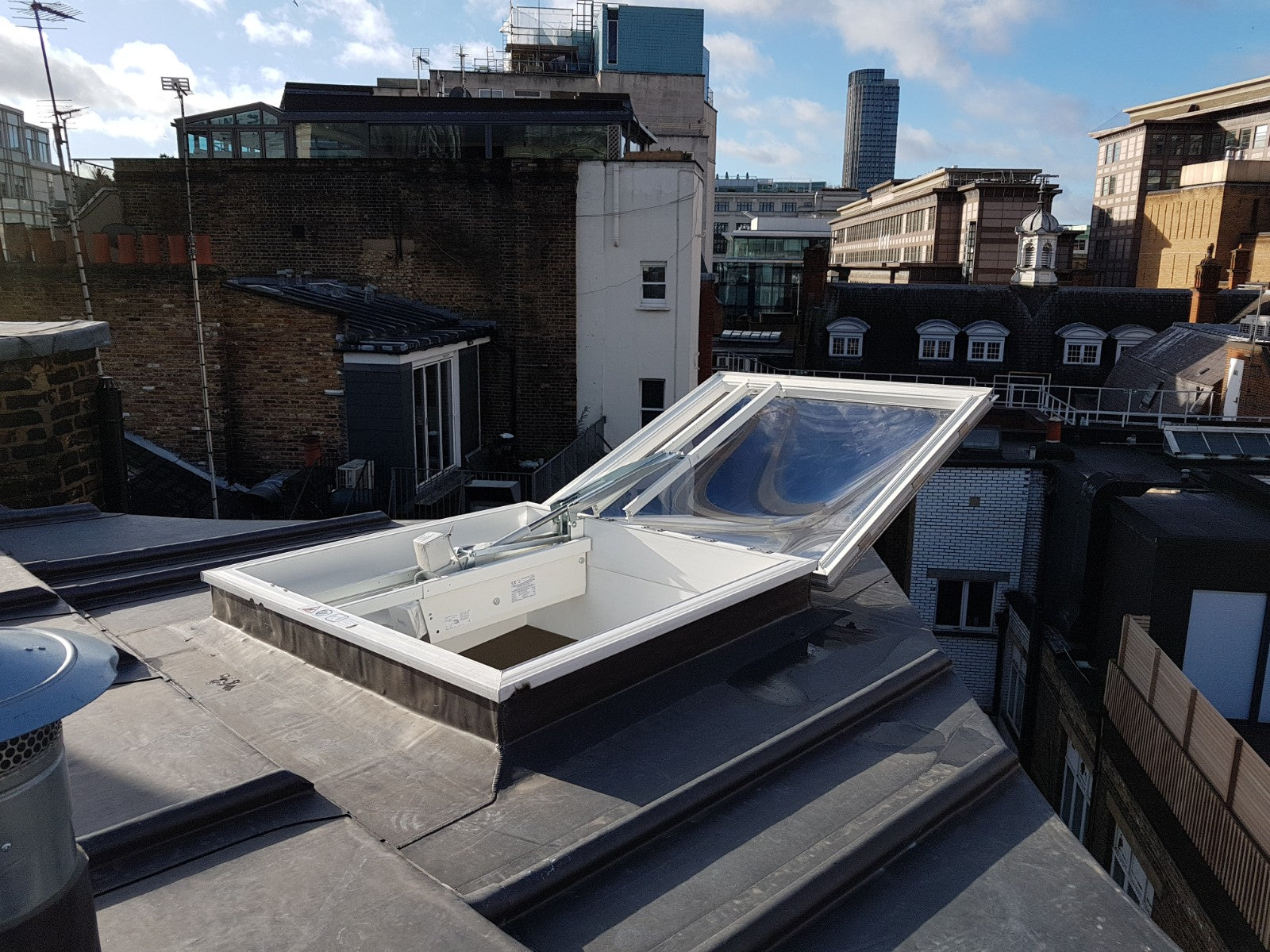
Stairwell smoke vents provide heat and smoke ventilation, a means of escape for occupants, and safe access for emergency services. Designed for stairwells in residential buildings, hotels, offices and shops, these units vent smoke in the event of a fire and aid smoke control using natural ventilation in stairways and corridors.

Smoke vents for stairwells are controlled by clearly visible manual switches at stairway entrances - a ‘break glass’ or firefighter override switch may be located with these switches. Our AOVs (automatic opening vents) are triggered by manual switches, as well as fire detection systems like fire alarms and smoke detectors.

How Big Does a Stairwell Smoke Vent Need to Be?

Current UK guidance - in Approved Document B (under The UK Building Regulations 2010) and fire safety standard BS 9991 - indicates that typical small single‑stair residential buildings require a minimum of 1.0 m² free area (the effective area through
which smoke can flow). For corridors or lobbies leading onto a stairwell this increases to a 1.5m² free area.

However, it’s worth noting that this is general guidance, and height, layout, single‑ vs multi‑stair design, and whether a mechanical system or pressurisation is used, can all change the specific requirements for vent sizes and locations

Considerations for HMOs & House‑to‑Flat Conversions

When a property is converted into an HMO (House in Multiple Occupation) or self-contained flats, the stair usually becomes a protected escape route. Smoke control for this area (and any common lobbies) must then be reviewed against Approved Document B and BS 9991.

This situation usually requires a 1.0 m² AOV at the head of the stair, sized to current guidance. In some scenarios ventilated corridors or lobbies are also required. If an alternative engineered solution is used or an AOV omitted, this must be justified by a competent fire engineer - this is especially important for HMOs and higher-risk residential buildings under the Building Safety Act.

Installation Considerations

Here are a few key points to consider when installing smoke vents for stairwells:

Choose Certified, Correctly Sized Vents


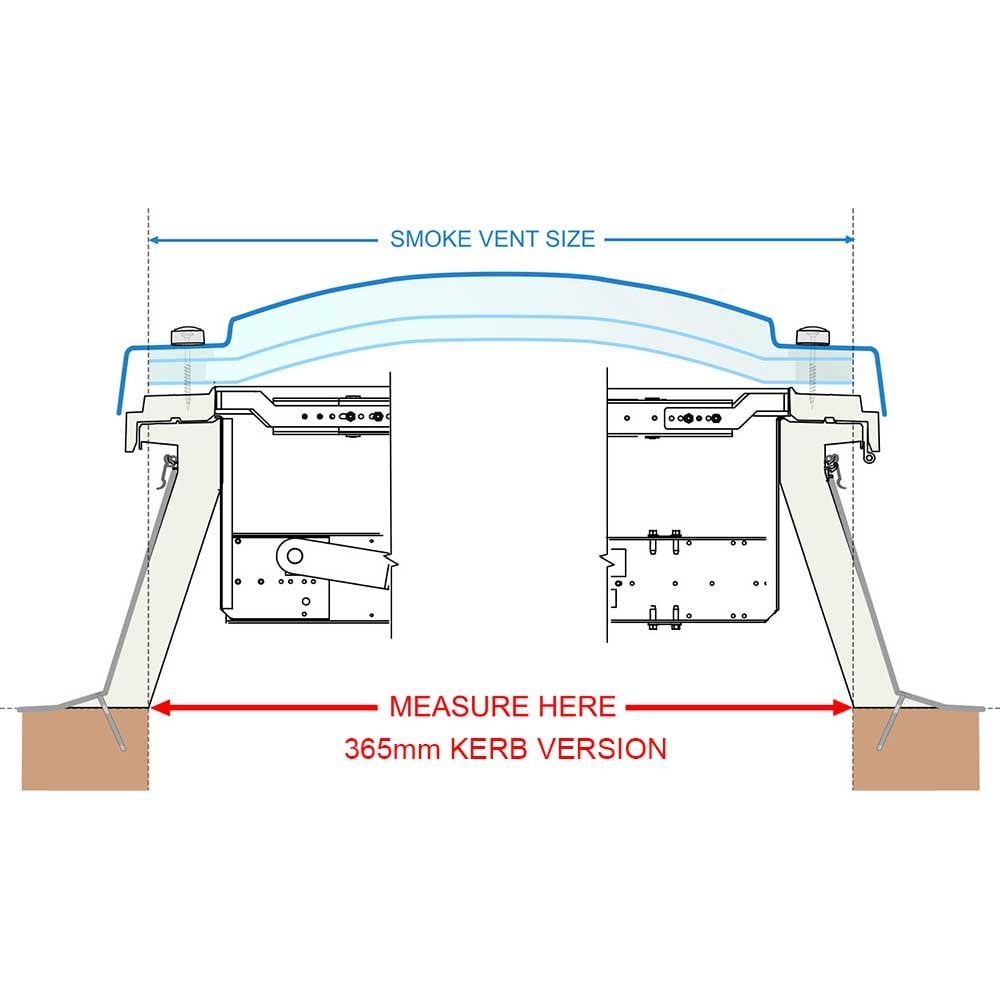
Vents should be fully tested to BS EN 12101‑2, and they should be UKCA/CE marked as a complete unit for legal use. They should also deliver at least 1.0 m² free area (not just panel size).

Get Placement, Structure & Weathering Right

The AOV needs placing at the head of the stair or as shown in the fire strategy. There must be adequate clearance internally and externally for the vent to open fully, and upstands, flashings and structural openings need coordinating to ensure the unit is
securely fitted, weather-tight and accessible.

Check Wiring, Controls & Resilience

The vent must be connected to a certified smoke control or AOV control panel, and interfaced with the fire alarm, smoke detectors and manual switches. The mains supply needs to be reliable, with monitored circuits and a backupbattery.

Plan Safe Access & Maintenance


Safe access must be available for installing, testing and inspecting your AOV. And regular maintenance should be built into the building’s fire-safety management plan, with records kept.

Consult an Expert


It’s important to always follow the fire strategy, ensuring that it’s produced by a
competent fire engineer or designer, and agreed with Building Control and (where
relevant) the fire and rescue service.

Need help with a Specification?

Call 01276 450630 and one of our helpful team members can provide you with the technical information you need.